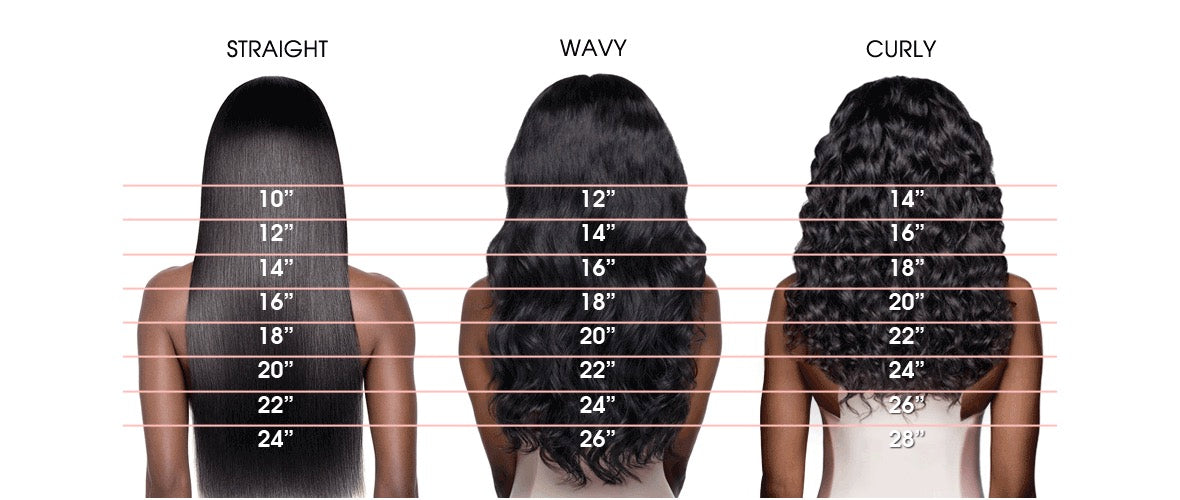
Thin and fine hair is more prone to breakage, but that doesn’t mean you can’t wear extensions—it just means you have to be choosy about what you put in your hair and how you wear it.
Maybe you've tried extensions that felt too heavy, looked obvious, or left your natural hair feeling stressed afterward. Or maybe you've avoided extensions altogether because you're worried about making thinning hair worse.
At She’s Happy Hair, we’ve helped thousands of women create fuller, more voluminous styles while protecting the hair they already have. As one of the leading suppliers of premium 100% virgin human hair in the United States, we understand that thin hair requires a different approach than thick or coarse hair.
This guide covers the best hair extensions for thin hair, which methods are safest, and how to choose textures that look natural while protecting your strands.
""As someone with naturally fine hair, I learned early that not every extension method is your friend. The biggest mistake I made was choosing too much hair. Once I switched to lighter-density bundles and focused on texture matching instead of volume overload, my installs looked more natural and my hair stayed healthier underneath." — Ebony G.
The Best Hair Extension Textures for Thin Hair
When choosing hair extensions for fine or thin hair, texture matters just as much as the installation method.
The goal isn't to create the biggest hairstyle possible. The goal is to create believable fullness that blends seamlessly with your natural hair density.
Generally, the best hair extensions for thin hair include textures that lay flatter at the root and don't create excessive bulk around your scalp.
Wavy Hair Extensions for Soft, Flexible Volume
Body Wave and Loose Wave extensions are among the most flattering choices for women with thin hair.
These textures create movement and body without requiring multiple bundles or heavy installations. The gentle wave pattern adds the appearance of fullness while still allowing the hair to lie naturally against the head.
Unlike tighter curl patterns that can sometimes appear overly dense, wavy textures create soft volume that looks effortless and realistic.
She’s Happy Hair Body Wave Bundles are made from 100% virgin human hair and can be curled, straightened, or worn in their natural pattern for maximum versatility.
Curly Hair Extensions for Fine Curly Hair
If your natural hair has curls, coils, or waves, curly extensions can instantly create the appearance of thicker hair.
One of the biggest advantages of curly extensions is that the texture itself creates volume. Because of this, you often need fewer bundles than you would with straight hair.
The key is choosing a curl pattern that closely matches your natural texture.
Curly extensions from She’s Happy Hair provide fullness, definition, and movement while maintaining a natural appearance that blends beautifully with textured leave-out or protective styles.
Kinky Hair Extensions That Match Fine Natural Hair
Natural Kinky and Kinky Straight textures are ideal for women who want their extensions to look like their own hair.
These textures mimic blown-out natural hair and coily textures, making them especially popular among women with Type 3 and Type 4 hair patterns.
For thin natural hair, these textures provide volume without requiring excessive bundles or heavy installations.
Strategic placement and lightweight density help protect fragile areas while creating a fuller appearance throughout the style.
Straight Extensions for Thin Hair
Straight extensions remain one of the most popular options for thin hair because they create a sleek, lightweight finish.
The secret is avoiding excessive density.
Many women assume they need multiple bundles to create fullness, but with thin hair, less is often more. A well-placed install with quality straight bundles creates movement and polish without overwhelming your natural strands.
She’s Happy Hair Straight Bundles are silky, dye-friendly, and designed to blend seamlessly with relaxed hair, silk presses, and naturally straight textures.
The Best Hair Extension Methods for Thin Hair
No single extension method works for everyone.
The best option depends on where your hair is thinning, your lifestyle, your styling habits, and the overall health of your scalp.
Wigs for Wider Thinning or Sensitive Hair
For women experiencing noticeable thinning across the crown, top, or hairline, wigs are often the safest and most versatile option.
Unlike traditional installs, wigs do not require fragile strands to support additional weight every day.
They also provide complete coverage while allowing your natural hair to rest underneath.
Human hair wigs from She’s Happy Hair offer realistic density, natural movement, and styling flexibility without putting tension on vulnerable areas.
Why Closures and Frontals Are a Win for Thin Hairlines
Closures and frontals are excellent solutions for women dealing with thinning around the hairline, temples, or edges.
A closure creates a natural-looking part while minimizing leave-out.
A frontal extends ear-to-ear, recreating the entire front hairline and providing maximum coverage.
Because the lace does the work instead of your natural hair, closures and frontals help reduce heat styling and manipulation.
She’s Happy Hair offers HD lace closures, frontals, and 360 frontals crafted from 100% human hair for a flawless blend.
Hair Toppers for Thinning Hair
Hair toppers are a go‑to for crown thinning because they target the spot where your scalp shows first and regular wefts struggle to stay hidden. Each topper is a small, clip‑in base that adds fullness only where you see scalp and blends into your leave‑out so it reads like your own hair. Choosing a base size that matches your thinning area keeps the blend seamless while your sides and back stay out and still look like you.
Halo Extensions for Fine Hair
Halo extensions add gentle volume to thin or fine hair with hair attached to a thin, clear wire that sits like a headband under your natural hair. Because nothing bonds to your strands, tension stays low and you can slip it on for the day, then take it off so your real hair can rest. Halos sit higher on the head and need enough hair on top to cover the wire, but for everyday soft volume they are an easy, low‑stress option.
Hair Fillers and Invisible Blends for Thin Hair
If your thinning is mostly at the front (around your hairline or temples), small hair filler pieces can add just enough density so your hairline looks soft and full again. These invisible-style extensions focus on ultra-thin, flat wefts and a shade that melts into your natural color, rather than a more dramatic method. With the right color match and placement, they move with your hair instead of sitting on top, which is key for fine, delicate strands.
Methods That Can Be Too Much for Thin Hair
Certain extension methods can create excessive tension for fragile strands.
That doesn't automatically mean they're bad—it simply means they require additional caution.
Clip-In Extensions for Fine Hair
Clip-ins can create beautiful volume, but they should generally be treated as an occasional styling option rather than an everyday solution for thin hair.
The clips concentrate weight onto specific sections of hair, which can create tension if worn too frequently.
Choose lightweight sets and avoid placing clips directly on fragile areas.
Thin Hair and Tape-In Extensions
Tape-ins can work for women with mild thinning or fine hair when installed properly.
However, they should always be applied conservatively.
Too many wefts or poor placement can add unnecessary stress to delicate strands.
If your hair is actively shedding, breaking, or extremely sparse, lower-tension alternatives such as wigs, closures, or toppers are usually better choices.
Common Mistakes When Choosing Thin Hair Extensions
Using Too-Heavy Bundles
The biggest mistake women with thin hair make is assuming more hair equals better results.
Overloading your install with excessive density can create tension, discomfort, and visible blending issues.
Choose lighter lengths and fewer bundles whenever possible.
Ignoring Your Natural Hair Texture
Extensions should complement your texture—not fight against it.
Matching your natural pattern creates a more realistic appearance and reduces daily styling stress.
Skipping Scalp and Hair Health
Extensions look their best when your natural hair is healthy underneath.
Keep your scalp clean, moisturized, and protected.
Regular breaks between installs can help preserve long-term hair health.
Types of Thinning, What to Do About Them, and the Best Extensions for You
Overall Diffuse Thinning
If your ponytail feels smaller overall and your part appears wider:
Try: Lightweight lace closures and wigs.
Recommended: HD Straight Lace Closure 5x5 and Human Hair Wigs.
Crown Thinning
If scalp visibility is most noticeable at the top or crown:
Try: Closures and targeted coverage pieces.
Recommended: Closures & Frontals Collection and HD Body Wave Lace Closure 5x5
Temple and Edge Thinning
If your edges or temples have become sparse:
Try: HD frontals and 360 frontals.
Recommended: Closures & Frontals Collection and 360 Lace Frontal Closures.
Medical or Patchy Hair Loss
If you're experiencing visible bald spots or medical-related hair loss:
Try: Human hair wigs and when it is safe, pieces from the Closures & Frontals Collection for targeted coverage.
Always consult a dermatologist or hair-loss specialist before installing extensions in affected areas.
Still Not Sure Which Texture Is Your Best Match?
Choosing between straight, wavy, curly, and kinky textures can feel overwhelming.
That's exactly why we created our Hair Extension Texture Match Guide.
You'll find visual examples, texture comparisons, and real-world styling inspiration to help you select extensions that look and feel like your own hair.
Frequently Asked Questions
Are hair extensions a good idea for thin hair?
What are the best hair extensions for thin hair?
The best hair extensions for thin hair are lightweight options that minimize tension while providing natural-looking fullness. Closures, frontals, wigs, and carefully installed tape-ins are among the most common choices.
Who is not a good candidate for hair extensions?
People with very fragile hair, active scalp conditions, or significant shedding may not be good candidates for traditional extension methods that add weight to the hair. In these cases, a stylist may recommend waiting until your scalp is stable, focusing on hair and scalp care first, or exploring lighter options and premium human-hair wigs instead.
Can I use Kerastase on hair extensions?
How do you apply tape-in extensions for thin hair?
Tape-ins should be installed using small, lightweight sections and placed carefully to avoid tension on delicate roots.